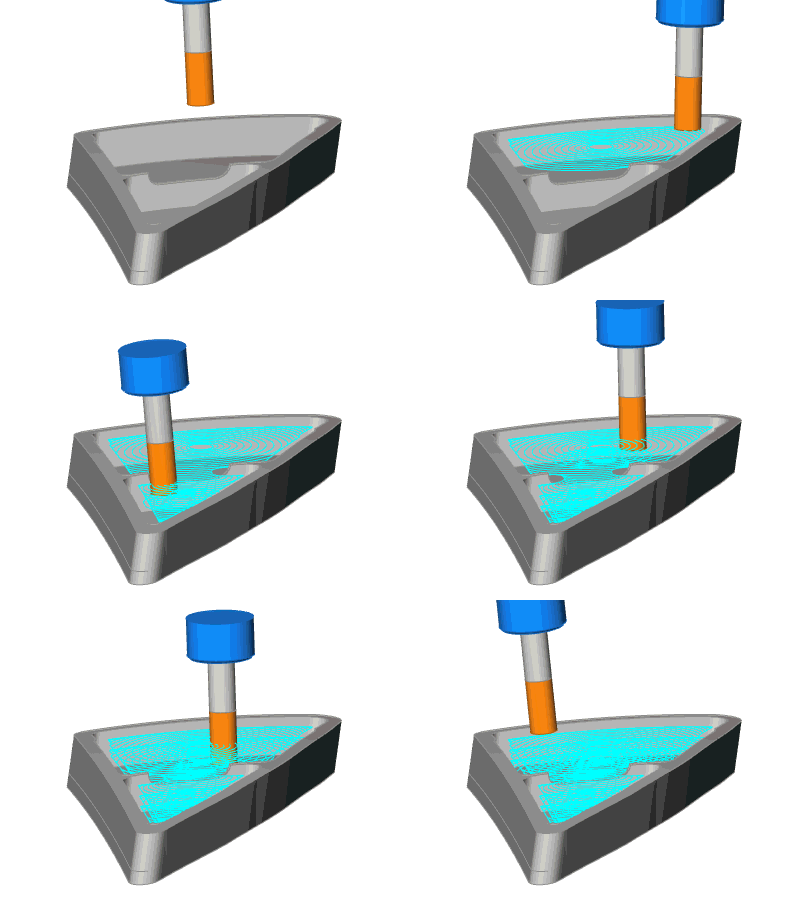
Pattern - Roughing
This pattern creates a multiaxis toolpath that can be used to rough out pocket-shaped geometries. This calculation base type uses STL meshes, as well as iges geometries, as input. The user must specify the floor, wall and ceiling surfaces before the system then automatically creates the roughing toolpath. The parameters are identical to the triangle, mesh-based roughing cycle, which includes the adaptive roughing feature.
Pattern
Three patterns are available:
- Offset from floor
- Offset from ceiling
- Morph between ceiling and floor
Offset from floor
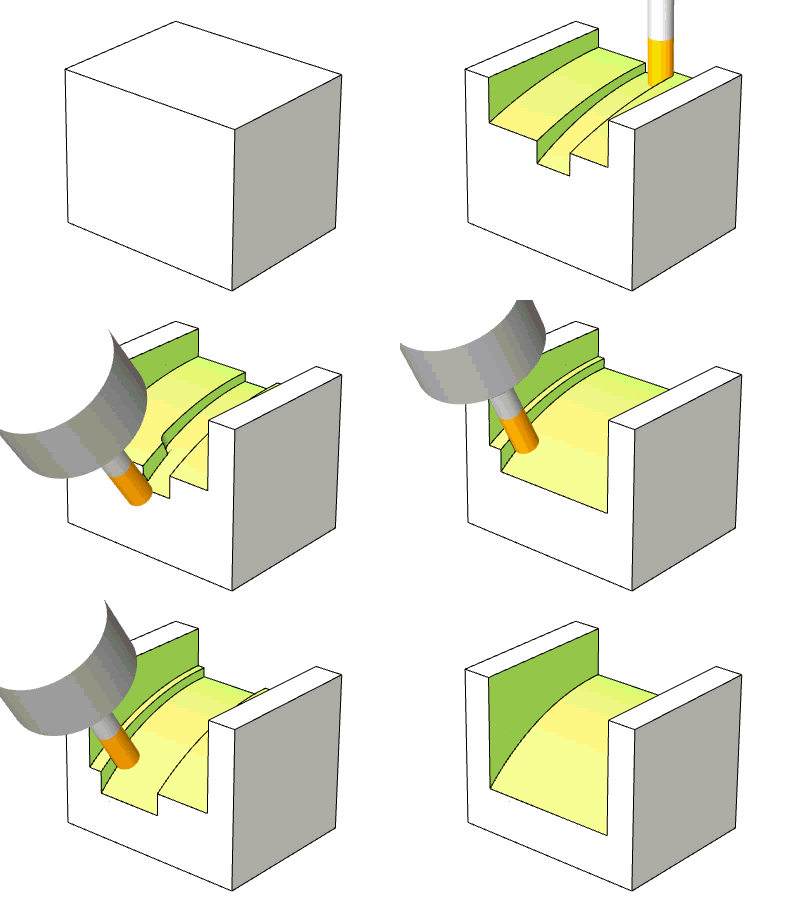
Here, the cuts generated are all offset cuts from the floor.
The following animations are based on this part.
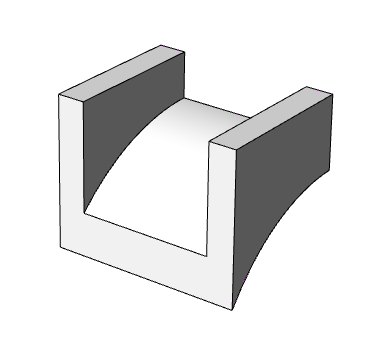
Trim cuts
You can see that upper cuts are trimmed according to the shape of the part.
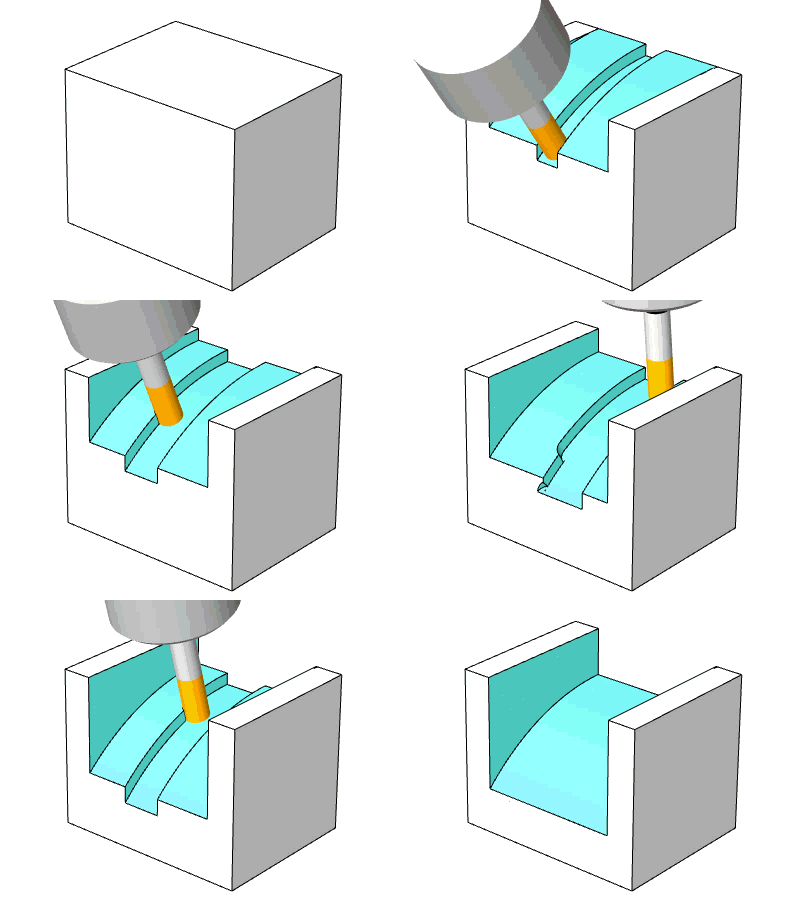
Offset from ceiling
The cuts are created as an offset from the selected ceiling surface. Note that due to the shape of the floor, a large amount of rest material will be left over.
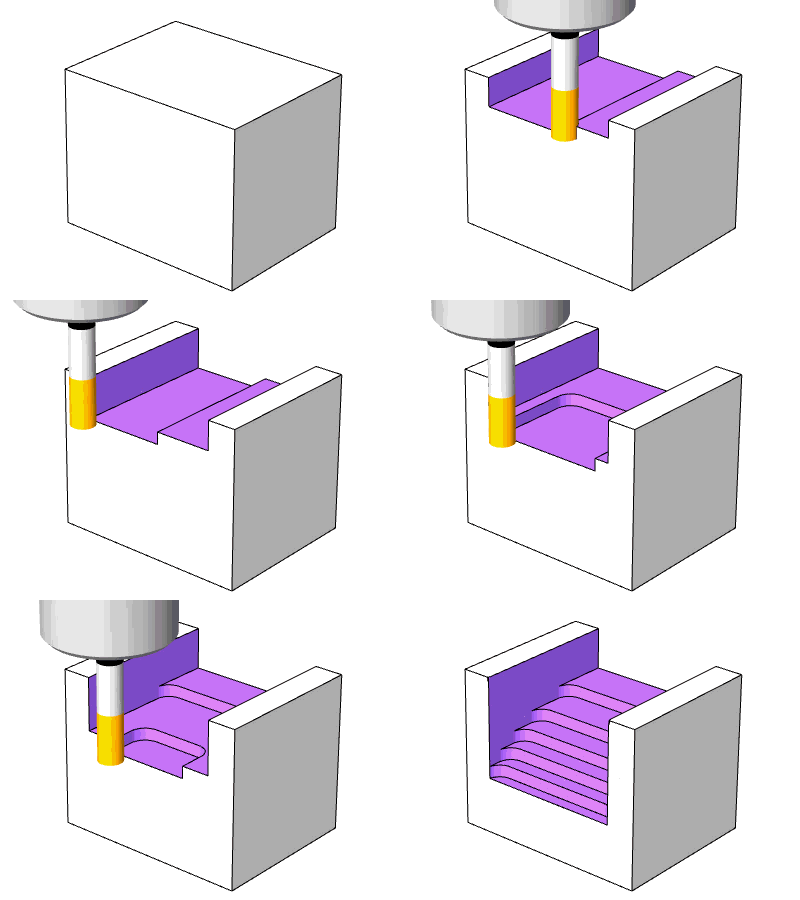
Morph between ceiling and floor
With morphing the toolpath gradually morph between the floor surface and the ceiling surface.
Adaptive roughing
Adaptive roughing strategy ensures that the cutting conditions remain almost constant. This offers great improvements compared to conventional constant offset roughing strategies. The strategy avoids full-width cuts by constantly measuring the engagement volume of the tool with material and by gradually removing material off the remaining stock. It guarantees a stable load on the tool, which allows an increased material removal rate at higher feedrates and reduces the overall machining time.
Advantages:
- Reduction in machining cycle time
- Extended tool life
Features:
- No full width cuts
- Consistent engagement with material
- Supports intermediate slices